You turn the temperature control up, aim the vents toward your hands, and wait. The engine is running, but the air still feels chilly. Some delay is normal after an overnight stop. The question is whether your car is following its usual warm-up pattern or taking much longer than it used to.
Most conventional cars get cabin heat from the engine's cooling system. Warm coolant must reach the heater core before the vents can deliver substantial heat. Engine design, outside temperature, driving conditions, and climate-control operation all influence the timing, so there isn't one normal waiting period for every car in Suwanee.
Cabin Heat Often Starts With Warm Engine Coolant
The heater core is a small heat exchanger inside the climate-control system. Hot coolant passes through it, and air flowing across it carries heat into the cabin. After the car sits overnight, the engine and coolant have cooled, leaving little heat available when you first start it.
The blower can move air immediately, but it can't create engine heat on its own. Some vehicles have supplemental heaters or different arrangements, and hybrids may use their engines intermittently. Electric vehicles can use entirely different heating equipment. The explanation should match the powertrain and features fitted to your particular car.
Idling Can Produce Cabin Heat Slowly
A lightly loaded engine may produce heat more slowly while idling than during gentle driving. Waiting in the driveway until the cabin becomes hot can therefore take longer than expected. Once the windows are clear and the vehicle is ready for normal operation, follow its manual and drive gently rather than using hard acceleration to build heat.
Never compromise visibility just to get moving sooner. Fog or frost on the windshield needs clearing before you drive. Use the defrost settings and allow the time your conditions require. That is a separate safety decision from whether the engine needs an extended stationary warm-up.
A Thermostat Problem Can Delay Engine Warm-Up
The thermostat helps regulate coolant flow so the engine reaches and maintains its intended operating temperature. If it stays open when it should restrict flow to the radiator, the engine can warm too slowly. Cabin heat may stay weak, especially in colder weather or during steady driving.
Notice whether the temperature display stays lower than usual or drops after the car reaches road speed. Those observations can help, but gauge behavior isn't a complete test. The shop can compare measured temperatures and system operation with service information before deciding whether the thermostat or another component needs replacement.
Low Coolant Can Reduce Heat From The Vents
The heater needs a suitable coolant supply. If the level is low or air is trapped in the circuit, heat can become weak, intermittent, or change with engine speed. That can make a cooling-system issue possible, even when your first complaint is comfort rather than engine temperature.
Check the level only according to the vehicle's procedure and when the system is cool. Never open a hot pressure cap. Repeated topping off isn't a repair; coolant shouldn't need continual replacement without an explanation. An inspection can look for leaks and verify that the system is filled and circulating correctly.
A Restricted Heater Core Can Limit Hot Air
Deposits, contamination, or other restrictions can reduce coolant flow through the heater core. The engine may reach its normal temperature while the cabin still gets little heat. Testing can compare temperatures and flow conditions to distinguish a restriction from a coolant-level or thermostat concern.
Don't assume a heater-core flush is appropriate just because the vents stay cool. The underlying condition and the vehicle's service procedures should guide the work. Leaks, incompatible coolant, or another circulation problem may need attention first. Repairing only the comfort symptom can leave a cooling-system fault unresolved.
Air Doors And Blower Problems Change Vent Performance
The climate-control system directs air through or around the heater core using doors and actuators. A door that doesn't move correctly can leave the outlet air cool even when hot coolant is available. An actuator concern may also produce clicking or an inconsistent response to the temperature setting.
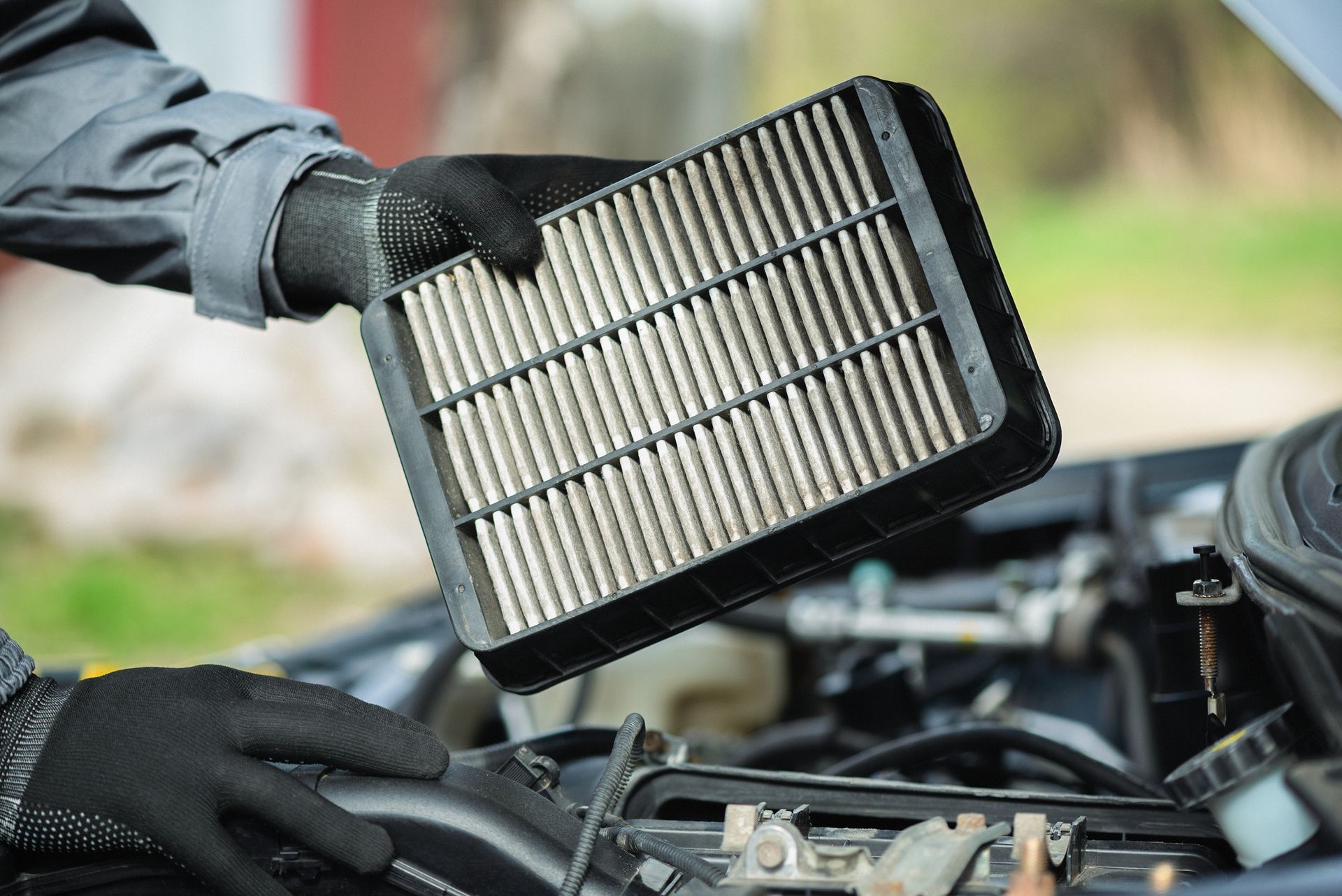
Weak airflow is another complaint. A clogged cabin filter, obstructed intake, blower fault, or other restriction can limit how much warmed air reaches you. Tell the shop whether the problem is cold air, too little air, or both. Those descriptions lead to different checks and prevent an unnecessary coolant repair.
Details That Help Explain A Slow Cabin Heater
Before the visit, note the pattern you actually experience:
- How long the car takes to produce useful heat.
- Whether heat improves while driving compared with idling.
- Whether the engine temperature display behaves differently.
- Whether one side or one group of vents stays colder.
- Whether there is a coolant smell, clicking, or falling coolant level.
You don't need to reproduce the problem through repeated long idling sessions. A clear description of a normal morning drive often gives the technician a better starting point.
Some Heater Symptoms Need Faster Attention
A sweet smell, persistent windshield film, or damp carpet can suggest a coolant leak near the heater system, although other moisture sources can overlap. An overheating warning, steam, or a major coolant loss calls for stopping safely and following the owner's manual instead of continuing to test the heater.
If you cannot maintain a clear windshield, don't continue driving with restricted visibility. Arrange service or assistance. Cabin heat is a comfort feature, but the same system supports defrosting and connects to engine cooling on many cars. The urgency should follow the symptoms, rather than how uncomfortable the first few minutes feel.
Get Car Heater Service In Suwanee, GA
Suwanee Service Station in Suwanee, GA, can inspect slow cabin warm-up, weak heat, airflow problems, and related cooling-system concerns. We can compare the engine and climate-control operation and explain whether your car needs maintenance, a cooling repair, or work on its air-distribution system.
Contact us to schedule an inspection for delayed heat or changing vent performance.