When the fuel system is clean and healthy, the engine starts easily, accelerates smoothly, and uses fuel efficiently. When it starts to get dirty inside, the changes are subtle at first: a little hesitation, a rougher idle, or fuel economy that is not quite what it used to be.
Keeping things clean is partly about how you drive and partly about doing the right service at the right time, not just pouring in random additives.
Why a Clean Fuel System Matters for Everyday Driving
Your fuel system’s job is simple on paper: deliver the right amount of fuel at the right time. In real life, it has to do that in stop-and-go traffic, on hot days, during cold starts, and under hard acceleration. Deposits in injectors or on intake valves can disturb that balance, so some cylinders run slightly richer or leaner than others.
Over time, that imbalance can show up as rough idle, sluggish acceleration, or a check engine light with mixture or misfire codes. You may also notice that the engine feels less responsive when merging or climbing hills. A clean fuel system helps the computer maintain the proper air-fuel mix so the engine can make good power without wasting gas.
Main Parts of Your Fuel System and How They Wear
It helps to know which parts are doing the work so you can understand where problems usually start. Key components include:
- Fuel tank: stores gasoline and can collect sediment and moisture over time
- Fuel pump: sends fuel forward under pressure, working harder when filters or lines are restricted
- Fuel filter: traps dirt and rust before it reaches the injectors
- Fuel lines and rail: carry pressurized fuel to the engine
- Injectors: spray a fine mist into each cylinder or intake port so the mixture burns evenly
Most of the wear here is slow and gradual. Filters load up, injectors develop small deposits at the tips, and pumps work harder when restrictions build. That is why regular maintenance is focused on preventing restrictions instead of waiting for a major failure.
Early Signs Your Fuel System Needs Attention
Fuel system issues usually start as small annoyances rather than dramatic breakdowns. Some early clues include a slight stumble when you pull away from a stop, or a hesitation when you press the gas to merge. The engine may feel like it responds a beat slower than it did a year ago, even though there are no warning lights yet.
You might also see your average fuel economy drift downward even though your commute and driving style have not changed much. On cold mornings, the engine may idle a little rougher than it used to, then smooth out once it warms up. If the check engine light comes on with misfire or lean mixture codes, dirty injectors or fuel delivery problems move higher on the list of suspects.
Owner Habits That Dirty the Fuel System Faster
How and where you drive has a big impact on how quickly deposits build up. Short trips where the engine never fully warms up tend to leave more residue in the intake and exhaust. Constant stop-and-go traffic with lots of idling also means injectors are pulsing more often and seeing more heat cycles.
A few habits that can speed up fuel system problems include:
- Frequently running the tank very low, which lets the pump pick up more sediment
- Using poor quality fuel or mixing stations with a history of contamination
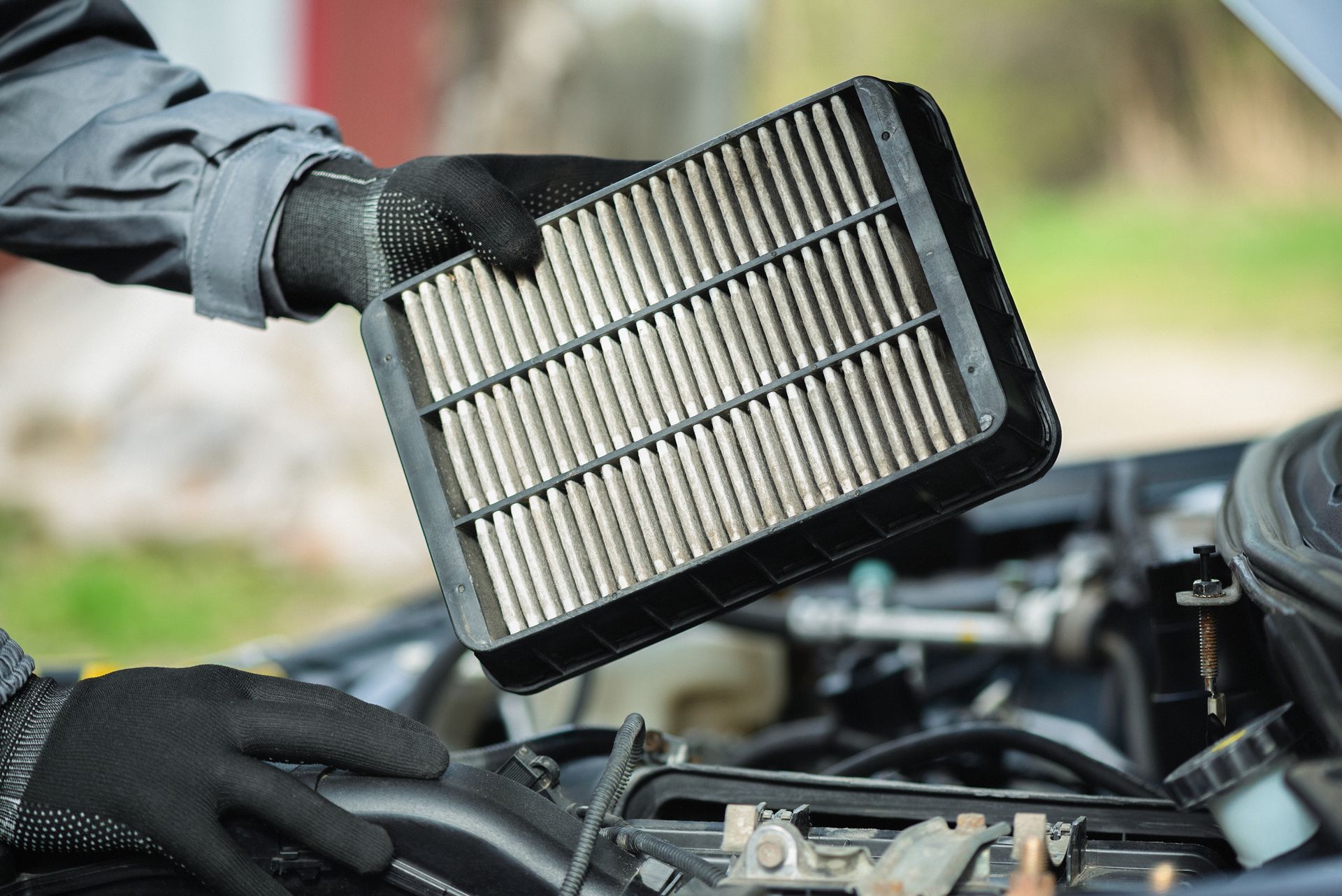
- Ignoring maintenance on air filters, which can affect mixture and lead to carbon buildup
- Letting the car sit for long periods with old fuel in the tank
- Waiting until the engine runs poorly before considering fuel related service
These habits do not guarantee trouble, but they give deposits and wear more chances to build over time.
Simple Habits to Help Keep Things Clean
You do not need to obsess over the fuel system, but a few simple habits go a long way. Filling up at busy, reputable stations reduces the odds of stale or contaminated fuel. Avoiding the bottom of the tank when possible helps the pump stay covered and reduces how much debris gets pulled into the system.
Other practical steps include:
- Following the maintenance schedule for fuel filters where they are serviceable
- Keeping up with air filter and spark plug replacement so the mixture burns cleanly
- Taking the car on a longer highway drive now and then so it fully warms up
- Using quality fuel and, if recommended by your technician, a proven fuel system cleaner at sensible intervals
Done consistently, these habits help slow down the formation of deposits and keep the engine feeling closer to new.
When Professional Fuel System Service Makes Sense
There is a big difference between dumping in an additive at random and doing a proper, targeted fuel system service. When we evaluate a vehicle, we look at symptoms, mileage, scan data, and sometimes fuel pressure or injector balance to decide what is appropriate. Light drivability issues with no codes may respond well to an in tank cleaner and fresh filters.
More severe symptoms, such as repeated misfires, rough idle, or clear evidence of restricted injectors, may call for a more thorough cleaning procedure or even injector replacement. Direct-injection engines, in particular, may require valve cleaning beyond the reach of chemicals alone. The goal is to match the level of service to the real condition of the system, so you are not paying for treatments that do little.
Get Fuel System Cleaning in Suwanee, GA with Suwanee Service Station
We diagnose fuel system issues every day and know how to tell the difference between a simple maintenance need and a more serious restriction or injector problem. We can inspect your vehicle, review any warning lights or symptoms, and recommend the right level of cleaning or repair to bring back smooth power and better fuel economy.
Call
Suwanee Service Station in Suwanee, GA, to schedule fuel system service and keep your engine running at its best.