Oil changes are easy to delay because the car does not always complain right away. The engine still starts, the ride feels normal, and the reminder sticker can start to look more like a suggestion than a deadline. That is how basic service gets pushed back farther than it should.
The best time to schedule an oil change and vehicle maintenance is before the engine, tires, brakes, or fluids start showing obvious wear. A little planning protects the car far better than waiting for warning lights.
Start With The Mileage And Time Interval
Most vehicles have a recommended oil change interval based on mileage and time. The owner’s manual is the best place to start because the manufacturer sets the schedule around the engine design, oil type, and service requirements. Some vehicles need oil service every few thousand miles, while others go longer with full synthetic oil.
Time counts too. A vehicle that isn't driven much can still need an oil change because oil ages inside the engine. Moisture, fuel residue, and heat cycles affect oil even when the mileage stays low. If it has been many months since the last oil change, the vehicle deserves attention.
Your Driving Habits Can Shorten The Schedule
Not every mile is equal. Short trips, stop-and-go traffic, long idle time, hot weather, dusty roads, and towing can all make oil work harder. A car used mostly for quick errands may need service sooner than a car that spends more time on steady highway drives.
Short trips are especially rough because the engine may not stay hot long enough to burn off moisture inside the oil. That can make the oil dirty faster. Our technicians look at how the vehicle is driven, not just the mileage, when helping drivers decide on the right service timing.
Pay Attention To Oil Level And Condition
Checking the oil level between services is a simple habit that can save an engine. Low oil can point to leaks, oil consumption, or a service interval that has gone too long. Dark oil alone does not always indicate a problem, but gritty oil, burnt smells, or a level that keeps dropping should be checked.
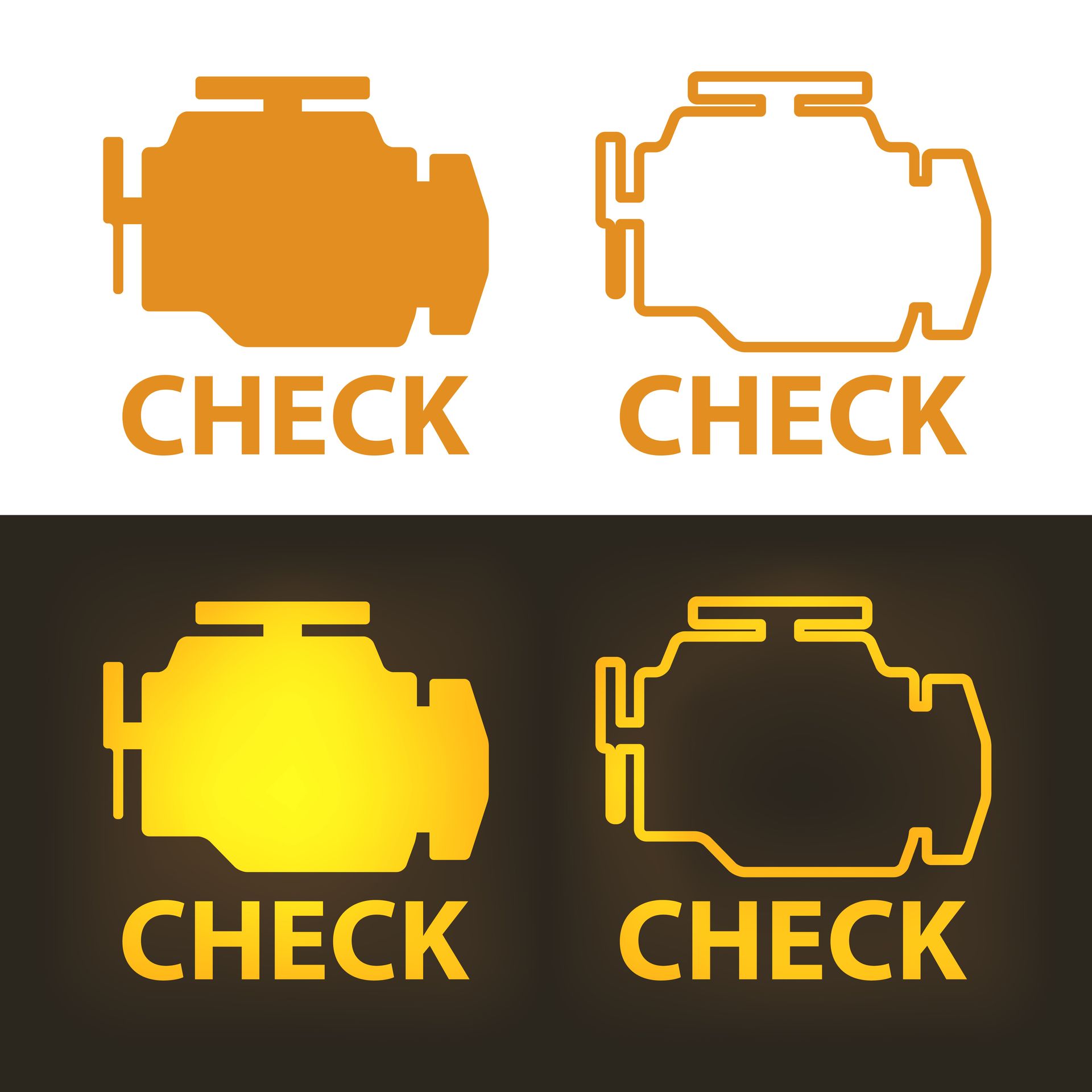
If the oil warning light comes on, treat it seriously. That warning can point to low oil pressure, which is different from being slightly overdue for service. Driving with low oil pressure can quickly damage the engine, so the vehicle should be stopped safely and checked before being driven further.
Vehicle Maintenance Is More Than Oil
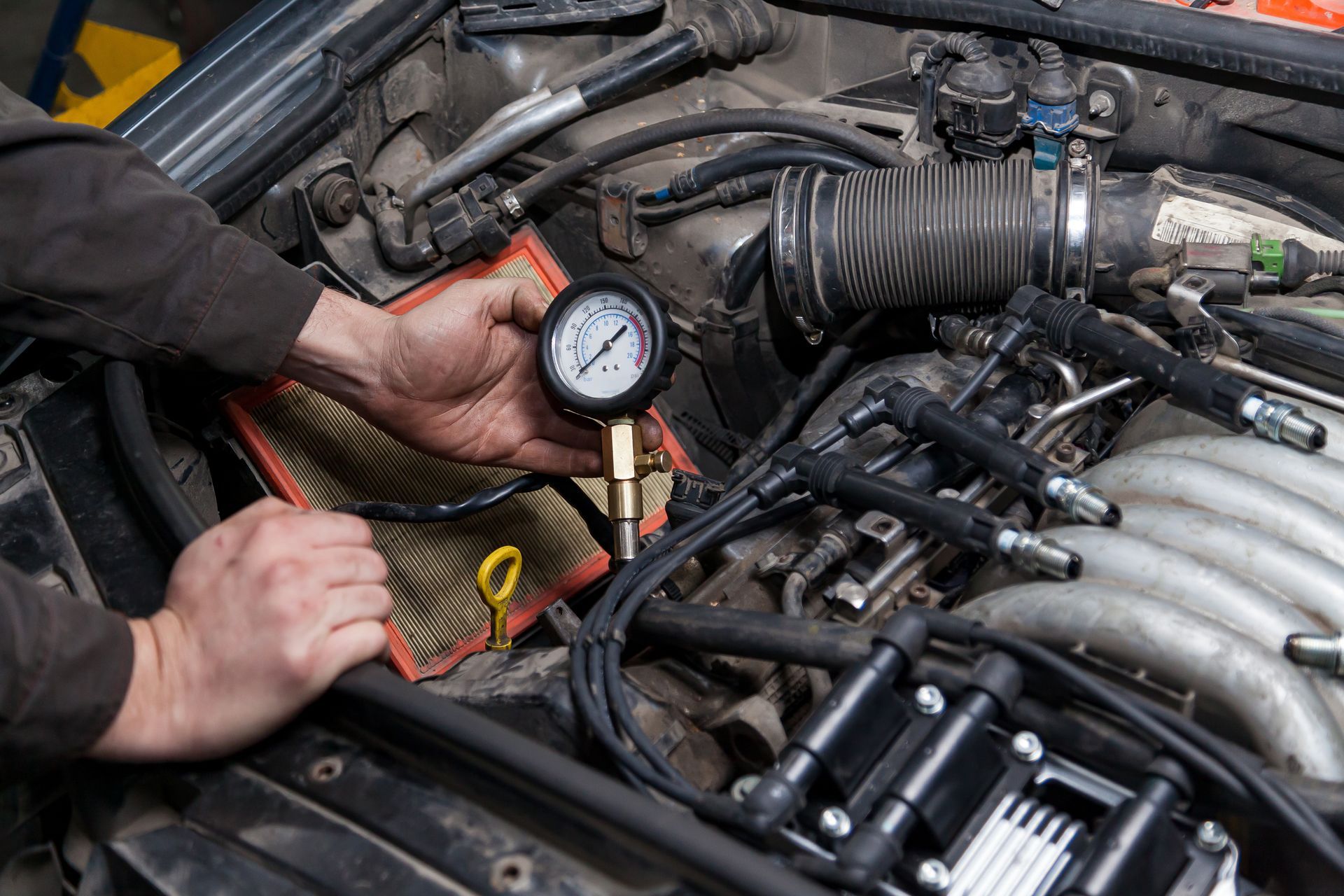
An oil change visit is a good time to look at the rest of the vehicle. Tires, brakes, fluids, belts, hoses, filters, lights, wipers, and the battery all wear with time and use. Skipping those checks can let small problems grow while the oil is the only thing getting attention.
During regular maintenance, we look for early signs of leaks, uneven tire wear, low fluids, weak battery performance, and parts that are starting to age. That does not mean every visit turns into a repair. It means the car gets watched closely enough that you are not surprised by something that could have been found earlier.
Warning Signs Mean Service Should Happen Soon
The maintenance schedule is important, but symptoms should prompt an earlier appointment. If the engine sounds louder at startup, the car smells hot, the brakes squeak, the steering shakes, or the battery cranks slowly, do not wait for the next mileage interval. The vehicle is already giving you information.
Small changes can help a technician find a problem before it spreads. A faint oil smell can point to a leak. A slight vibration can point to tire, brake, or suspension wear. A slow crank can indicate a weak battery or a charging issue. Mentioning those details during an inspection helps narrow down the cause faster.
Seasonal Service Can Prevent Bad Timing
Many drivers schedule maintenance before road trips, summer heat, or colder weather. That is smart because temperature changes and longer drives expose weak parts faster. Heat can stress batteries and cooling systems. Colder mornings can reveal weak batteries, worn belts, and changes in tire pressure.
Before a busy travel season, it makes sense to check oil, coolant, tires, brakes, battery condition, and lights. The vehicle does not need to be over-serviced. It needs the right checks before it is asked to handle more driving than usual.
Do Not Wait For The Dashboard To Decide
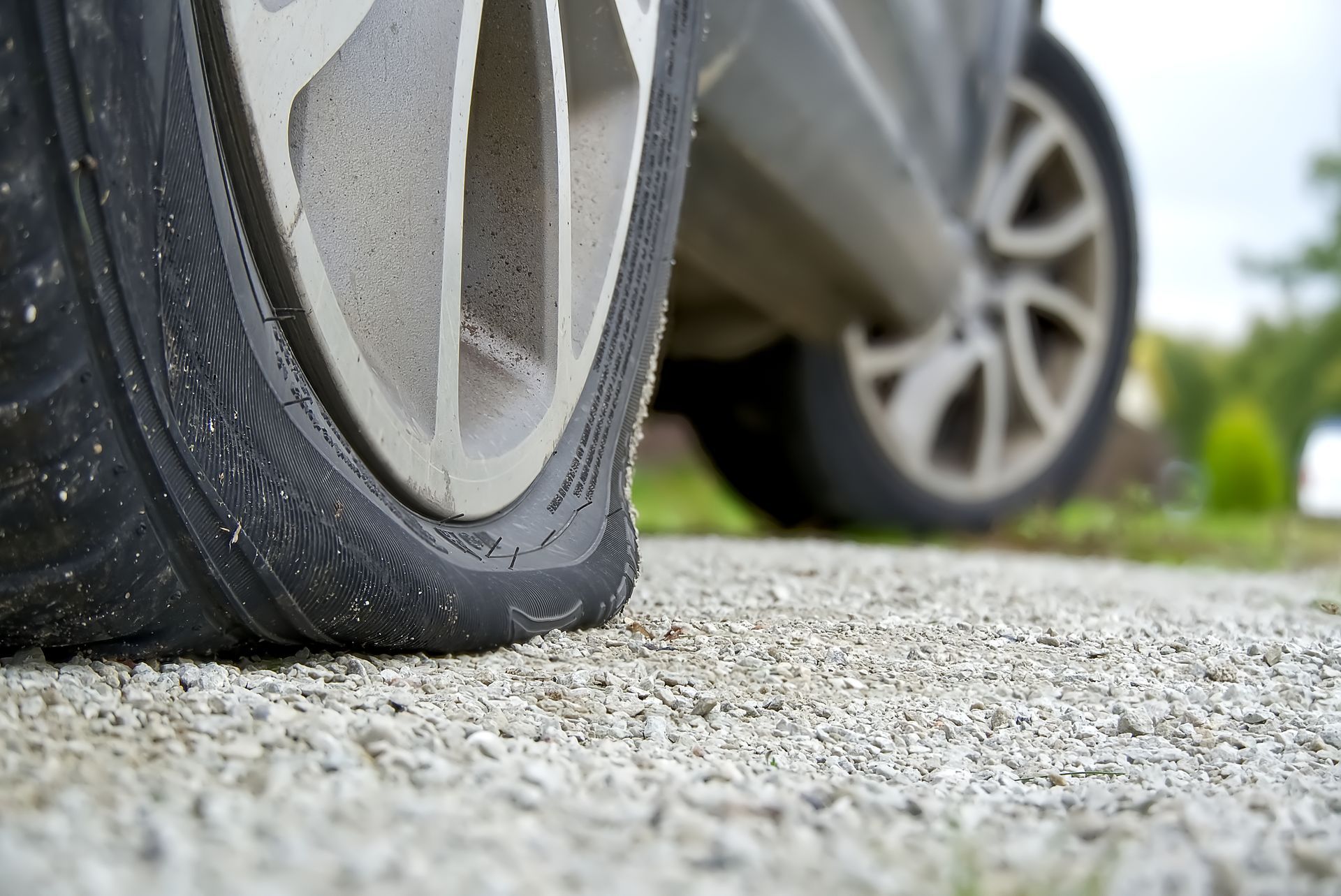
Dashboard reminders are helpful, but they are not the whole maintenance plan. Some systems do not warn you until the problem has already developed. Tires can wear unevenly without a warning. Brake pads can get low without a light. Coolant can seep slowly before the temperature gauge climbs.
The better approach is to schedule service based on mileage, time, driving habits, and early signs. That keeps oil clean, fluids at the right level, tires wearing properly, and the vehicle easier to trust day to day.
Get Oil Change And Vehicle Maintenance In Suwanee, GA, With Suwanee Service Station
If your oil change is due or you are not sure what maintenance your vehicle needs next, Suwanee Service Station in Suwanee, GA, can check the basics and help you stay ahead of wear and tear.