Approving a vehicle repair should be an informed decision, not a rushed response to an unfamiliar estimate. A trustworthy shop should explain what failed, how the problem was identified, what the repair includes, and what could happen if the work is postponed.
You do not need advanced mechanical knowledge to have a useful conversation with a service advisor. The following six questions can help you understand the recommendation, compare your options, and authorize work with greater confidence.
1. What Tests Confirmed the Problem?
Many symptoms can have several possible causes. A warning light, vibration, fluid leak, unusual noise, weak air conditioning, or starting problem does not identify the failed component by itself. Before approving a repair, ask what testing connected the symptom to the recommended part or service.
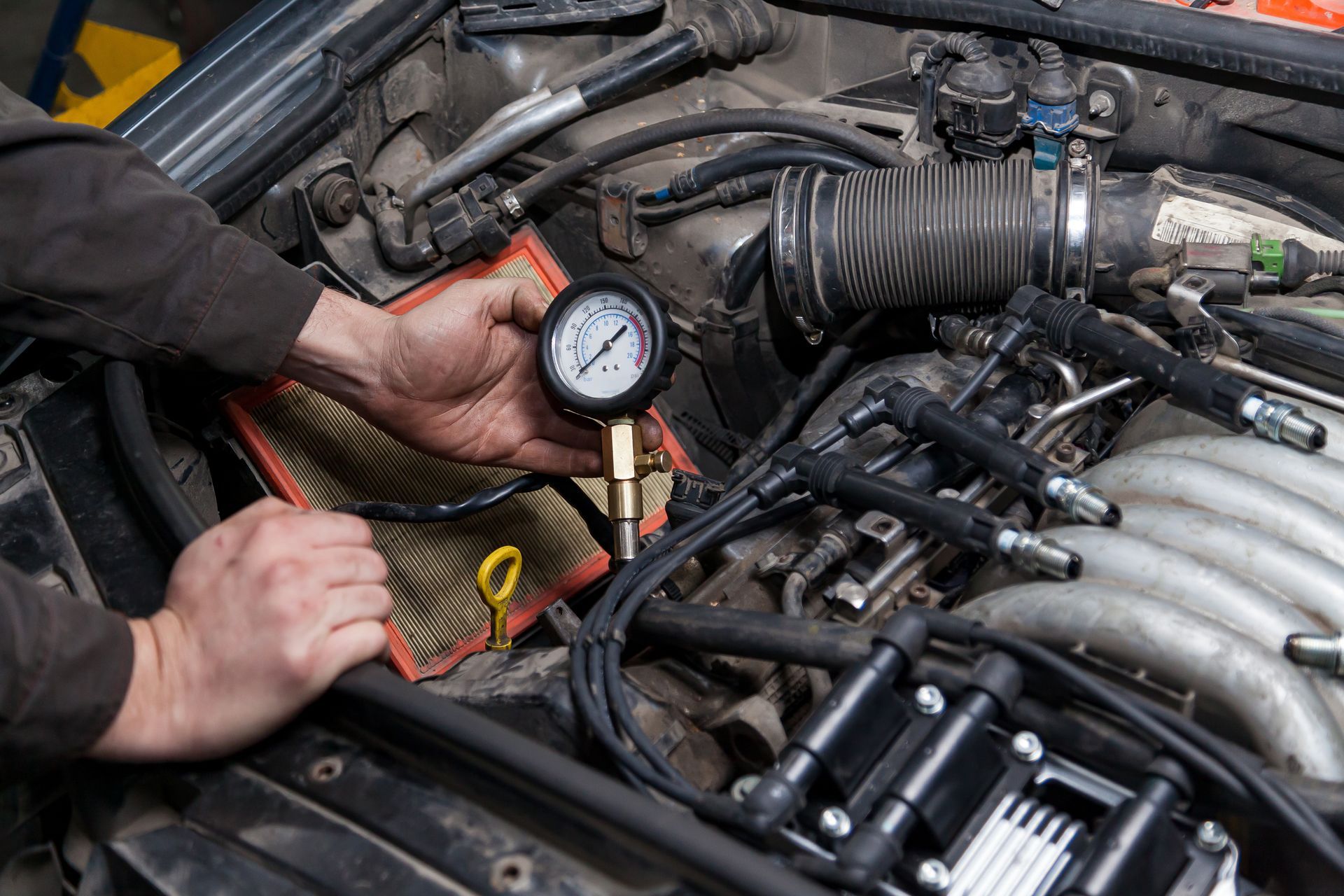
The answer may involve fault-code analysis, voltage measurements, pressure testing, leak detection, visual findings, component movement, temperature readings, or a road test. A fault code is a starting point, not proof that the component named in the code has failed. Good technicians use the information to guide further testing and identify the cause before parts are ordered.
2. What Exactly Is Included in the Estimate?
Two estimates with the same repair name may cover different work. One brake estimate might include pads only, while another includes rotors, hardware, caliper service, fluid correction, and cleaning of the mounting surfaces. The totals cannot be compared fairly until the scope is clear.
Ask whether the estimate includes labor, parts, fluids, seals, one-time-use fasteners, programming, alignment, taxes, and shop supplies. It is also useful to ask whether additional damage could be discovered after disassembly. The shop should contact you before exceeding the approved amount or adding work that was not discussed.
3. Which Parts Will Be Installed?
Replacement parts can come from the vehicle manufacturer, an original-equipment supplier, a premium aftermarket brand, an economy product line, or a remanufacturer. Price differences often reflect materials, manufacturing standards, expected service life, availability, and warranty coverage.
Ask for the part brand and the reason it was selected. Original equipment may be preferred for certain electronic components, sensors, body parts, or applications with known fit concerns. A high-quality aftermarket component may provide strong value for many mechanical repairs. The lowest-priced part is not always the least expensive choice when repeat labor is considered.
4. Is the Repair Urgent, or Can It Wait?
Not every recommendation carries the same level of urgency. Worn brakes, loose steering parts, active fuel leaks, overheating, damaged tires, and low oil pressure can create immediate safety or mechanical risks. Other concerns may be appropriate to plan for a later visit.
Ask the shop to divide recommendations into clear categories. Which repair affects safe operation now? Which problem could damage another component if ignored? Which service is preventive, and which condition can be monitored? Measurements, photographs, test readings, and inspection findings can make those priorities easier to understand.
A responsible advisor should also explain the risk of waiting without using pressure tactics. If a repair can be delayed, ask what warning signs would indicate that the condition is worsening.
5. What Warranty Covers the Repair?
A repair warranty may cover parts, labor, or both. It may also include limits based on time, mileage, vehicle use, or the location where warranty service can be performed. These details are especially important when the repair requires significant labor.
Ask how long the warranty lasts, what it covers, and what could void it. A part may carry a manufacturer warranty while labor is covered separately by the shop. Some warranties exclude damage caused by another failed component, contamination, overheating, modifications, commercial use, or missed regular maintenance.
Keep the final invoice and any warranty documents. The paperwork should identify the installed parts, completed services, date, mileage, and terms of coverage.
6. What Happens If the Repair Does Not Correct the Concern?
Professional testing greatly reduces the risk of replacing the wrong component, but some vehicle problems involve more than one fault. A misfire, for example, may begin with a failed ignition coil and also reveal a worn spark plug, a damaged connector, a fuel delivery issue, or a mechanical engine concern.
Ask whether the recommendation is expected to correct the entire complaint or only one confirmed part of it. The shop should explain any uncertainty before work begins and describe the next testing step if the original symptom remains.
This question is particularly useful for intermittent electrical concerns, noises that occur only under specific conditions, and problems affected by temperature or driving time. Clear expectations help prevent confusion if further evaluation becomes necessary.
Good Communication Protects Both the Driver and the Shop
Questions are not a sign that you distrust the technician. They help confirm that everyone understands the complaint, test results, repair scope, cost, and expected outcome. Strong shops welcome informed customers because clear authorization reduces misunderstandings.
Pay attention to how the staff responds. Explanations should be specific, patient, and connected to the condition of your vehicle. Vague answers, unexplained parts replacement, or pressure to approve unrelated services deserve closer review.
Get Clear Car Repair Answers in Suwanee, GA, With Suwanee Service Station
Suwanee Service Station helps drivers understand what their vehicles need before repairs are approved. Our team can explain test results, repair priorities, parts options, warranty coverage, and expected costs in clear terms.
Contact us to schedule your next service visit in Suwanee, GA.