A check engine light can be frustrating because it doesn't explain much on its own. The car may still start, drive, and sound normal. Other times, the light appears alongside rough running, poor power, strange smells, or a problem that makes the vehicle harder to trust.
The important part is not to panic or ignore it. A check engine light is the vehicle’s way of saying the engine, emissions system, fuel system, ignition system, or another monitored area needs attention. The warning signs around the light can help you understand how serious the problem might be.
A Steady Check Engine Light
A steady check engine light usually means the vehicle has stored a fault code. The problem might be minor, but it still needs to be checked. Common causes include a loose gas cap, oxygen sensor trouble, fuel mixture issues, evaporative emissions leaks, ignition problems, or sensor readings outside the expected range.
The car might feel fine because the computer can adjust to some problems for a while. That does not mean the issue has gone away. A steady light should be diagnosed before it leads to poor fuel economy, failed emissions testing, or damage to other parts.
A Flashing Check Engine Light
A flashing check engine light is more urgent than a steady one. It can indicate an active misfire that may damage the catalytic converter if the vehicle continues to be driven. A misfire occurs when one or more cylinders fail to burn fuel properly.
You might feel shaking, hesitation, rough idle, or loss of power. In some cases, the exhaust may smell stronger than usual. If the light is flashing, it is best to limit driving and have the vehicle checked as soon as possible. Continuing to drive can make the repair more expensive.
Rough Idle Or Shaking
A rough idle is one of the most common warning signs that can come with a check engine light. The engine may shake at stoplights, feel uneven after startup, or sound like it is struggling to stay steady. That can happen due to worn spark plugs, bad ignition coils, vacuum leaks, dirty fuel injectors, sensor problems, or compression issues.
A small shake can be easy to dismiss, especially if the vehicle seems normal once it is moving. Still, a rough idle can be an early clue that the engine is not running evenly. A proper inspection can help separate a simple ignition issue from a deeper engine or fuel system problem.
Loss Of Power Or Hesitation
If the vehicle feels slow to respond when you press the gas pedal, the check engine light should be checked. Hesitation, stumbling, poor acceleration, or reduced power can point toward fuel delivery problems, ignition faults, air intake issues, exhaust restrictions, or sensor data that the computer does not trust.
Some vehicles may enter a reduced-power mode to protect the engine or transmission. That can feel like the car is holding back, even when you press the pedal harder. The warning should not be ignored, as the vehicle may not respond as you need it to in traffic.
Poor Fuel Economy
A check engine light can show up before you notice a major drivability issue. One quiet sign is a drop in fuel economy for no clear reason. If the vehicle is using more fuel on the same commute, something may be causing the engine to run too rich, too lean, or less efficiently than it should.
Oxygen sensors, mass airflow sensors, fuel injectors, thermostat problems, misfires, and emissions faults can all affect fuel use. Regular maintenance helps reduce some of these problems, but a warning light still needs to be tested. Replacing parts solely based on fuel economy changes can miss the real cause.
Strange Smells Or Exhaust Changes
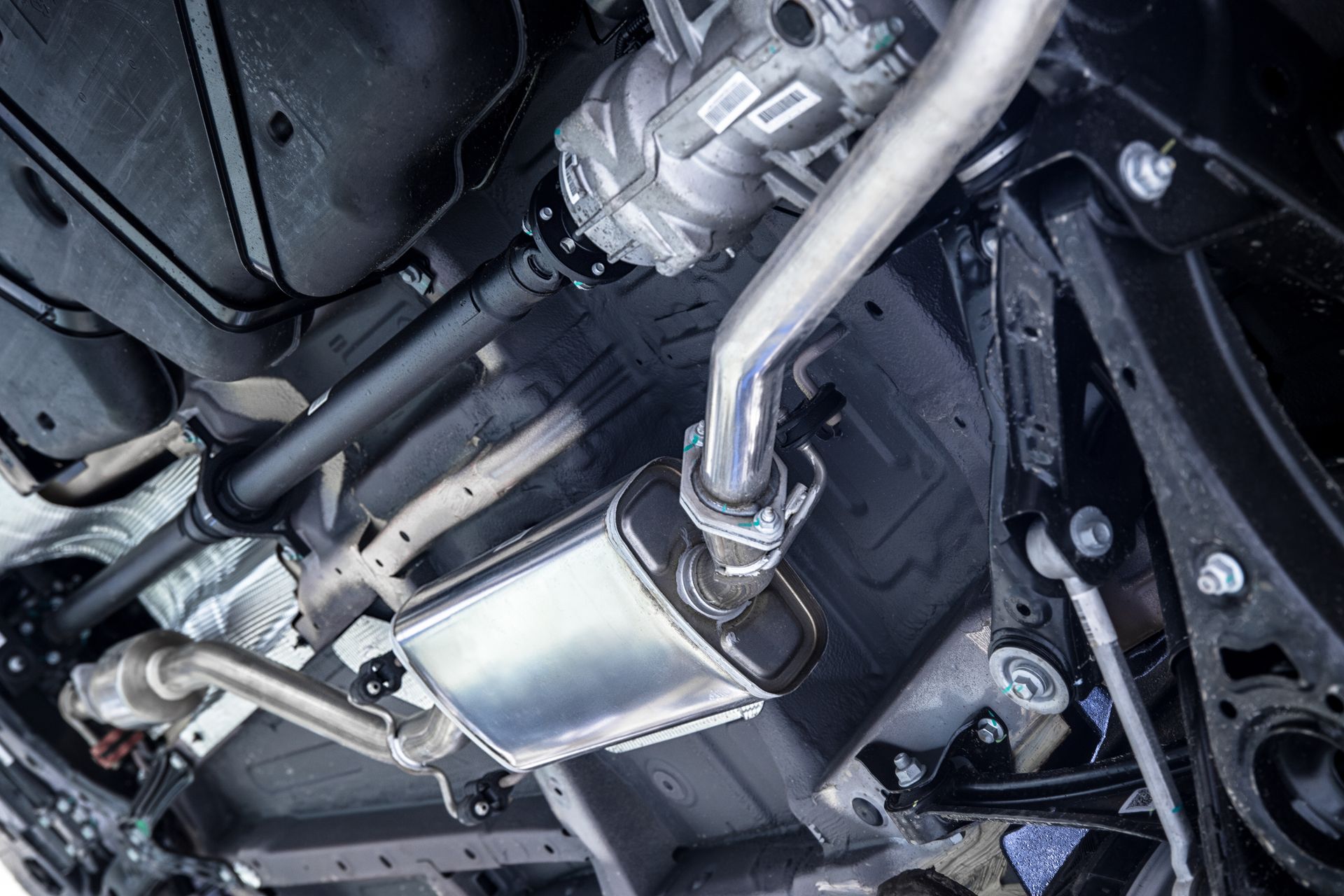
Smells can give useful clues. A rotten egg smell may point toward catalytic converter or fuel mixture trouble. A raw-fuel smell can indicate unburned fuel, a leak, or an engine running too rich. A burning smell can come from oil leaks, overheating parts, wiring issues, or other under-hood problems.
Exhaust changes also matter. Heavy smoke, a stronger exhaust odor, or a louder exhaust note can point toward problems that need attention. When a check engine light comes with a smell, the vehicle should be checked before the issue spreads into the exhaust or emissions system.
Why A Code Scan Is Only The Start
A scan tool can read the codes stored in the vehicle, but the code is not the full answer. A code points to the system or condition that the computer noticed. It does not always prove which part failed.
For example, an oxygen sensor code could be caused by a bad sensor, an exhaust leak, a wiring problem, a fuel mixture issue, or an engine problem affecting exhaust readings. That is why testing matters. The right repair starts with confirming the cause instead of replacing parts too quickly.
Get Check Engine Light Service In Suwanee, GA, With Suwanee Service Station
If your check engine light is steady, flashing, or showing up with rough running, poor power, bad fuel economy, or strange smells, Suwanee Service Station in Suwanee, GA, can test the vehicle and explain what needs attention.