A car should not make you brace yourself when you shift into drive or reverse. The movement should feel controlled, maybe with a small change in engine load, but not a hard jerk, clunk, bang, or strange knock from underneath. When shifting starts to feel harsh, the vehicle is telling you that something is moving, engaging, or loading up in a way it should not.
The tricky part is that the sound may not come from the same place every time. It might feel like it comes from the engine bay, under the floor, near the wheels, or somewhere in the driveline. The cause could be worn mounts, transmission problems, low fluid, axle wear, loose suspension parts, or even a brake issue. The pattern matters, and so does how quickly it is checked.
Engine And Transmission Mounts Can Let Parts Move Too Much
Engine and transmission mounts hold major drivetrain parts in place while also absorbing vibration. When those mounts weaken, crack, collapse, or separate, the engine and transmission can shift more than they should when torque changes.
Shifting from park to drive or reverse creates a load change. A good mount controls that movement. A worn mount allows the engine or transmission to rock, which can create a thump, clunk, or jerk. The vehicle may also vibrate more at idle, especially when stopped in gear with your foot on the brake.
Bad mounts can sometimes feel like a transmission problem because the jerk happens right when the gear engages. That is why the mounts should be checked before assuming the transmission is failing.
Low Or Old Transmission Fluid Can Change Engagement
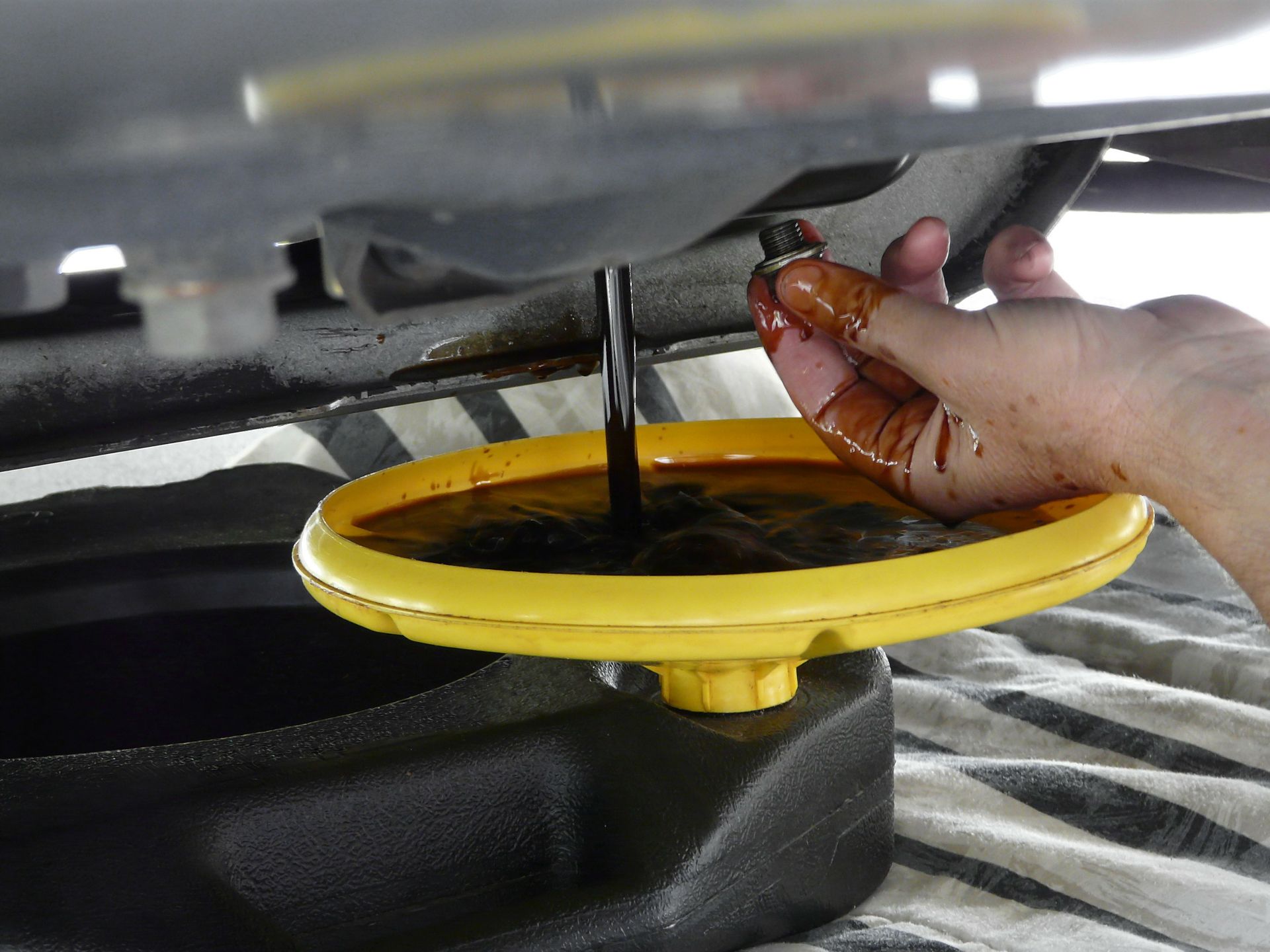
Transmission fluid does several jobs. It lubricates internal parts, helps control heat, and allows hydraulic pressure to apply clutches and move the vehicle. If the fluid is low, dirty, burnt, or no longer working correctly, shifting into drive or reverse can feel delayed, harsh, or uneven.
A low-fluid condition is especially important because it often indicates a leak. Transmission fluid can leak from cooler lines, seals, gaskets, the pan, axle areas, or other connection points. If the level drops too far, internal pressure can suffer, and parts can wear quickly.
Old fluid can also affect shift feel. It may smell burnt, look dark, or carry material from internal wear. Fluid condition alone does not tell the whole story, but it provides useful clues about how the transmission has been treated.
A Delay Before The Jerk Is An Important Clue
Pay attention to whether the vehicle jerks immediately or after a delay. If you shift into drive and nothing happens for a second, then the car suddenly clunks into gear, that delayed engagement can point toward transmission fluid pressure, internal wear, valve body concerns, or control issues.
A delay into reverse can be just as significant. Some vehicles show problems in Reverse before Drive because Reverse may require different hydraulic pressure or apply components. That does not automatically mean the transmission needs replacement, but it does mean the issue should be tested.
Repeated delayed engagement is not something to ignore. Each harsh engagement can add stress to mounts, axles, driveline parts, and the transmission itself.
Axles And CV Joints Can Make Noise Under Load
CV axles transfer power to the wheels while allowing the suspension and steering to move. When a CV joint wears, it may click, pop, clunk, or jerk under load. The noise can be worse when shifting, accelerating, turning, or backing out of a parking space.
A torn CV boot is a common warning sign. Once the boot tears, grease escapes and dirt gets into the joint. The joint may then wear faster and start making noise. Grease around the inside of the wheel or suspension area can point toward this kind of problem.
Axle problems can be mistaken for transmission trouble because they happen when the vehicle first starts moving. A road test and under-vehicle inspection help separate the two.
Driveline Slack Can Cause A Clunk
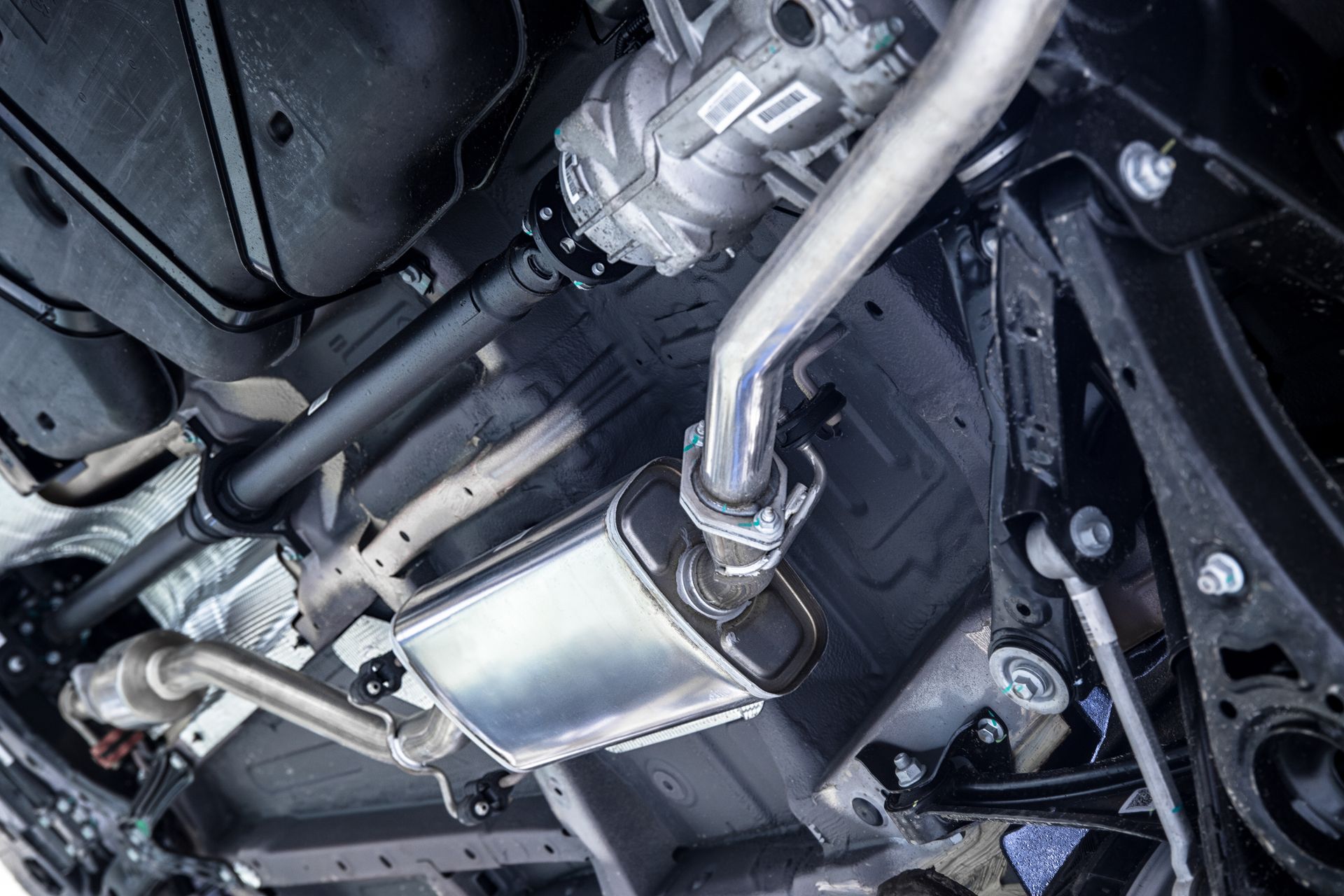
Some vehicles develop slack in the driveline as parts wear. U-joints, driveshaft components, differential mounts, bushings, and related parts can create a clunk when torque changes direction. Shifting from drive to reverse is one of the quickest ways to load the driveline in the opposite direction.
That clunk may be more noticeable when backing out of a driveway, shifting on a slight hill, or moving from reverse to drive quickly. The sound may come from underneath rather than directly from the engine bay.
A small amount of movement can be normal depending on the vehicle, but a loud clunk or growing jerk should be checked. Worn driveline parts tend to get worse, not better.
Brake Or Suspension Parts Can Add To The Noise
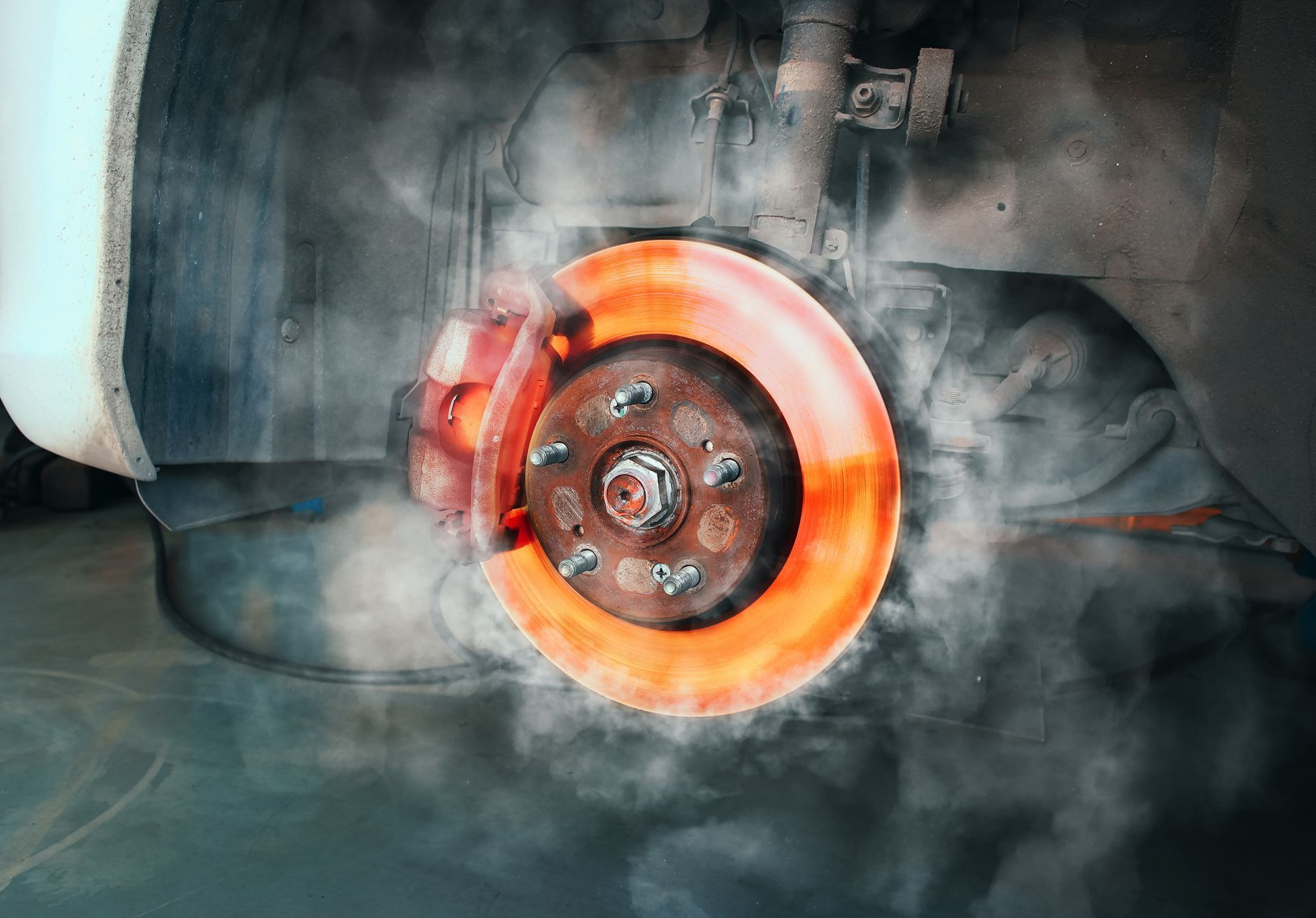
Sometimes the shift is not the only thing causing the sound. A loose brake pad, worn brake hardware, sticking parking brake, worn control arm bushing, or loose suspension part can move when the vehicle changes direction. That can create a pop, click, or knock right after shifting.
This is especially common when the sound occurs as the vehicle first rolls, rather than at the exact moment the gear engages. The transmission may engage normally, but a loose part reacts when the vehicle starts moving.
A careful inspection should include the brakes and suspension. The goal is to find the part that moves under load, not just blame the largest component nearby.
What To Notice Before Service
The details can help narrow the problem before the vehicle is inspected.
- A hard clunk at gear engagement can point to worn mounts, transmission engagement issues, or excessive drivetrain movement.
- A pause followed by a sudden jerk can suggest delayed transmission engagement, low fluid, pressure problems, valve body concerns, or internal wear.
- A clicking or popping sound while turning after shifting may involve CV axles, worn joints, or torn boots that need closer inspection.
- A clunk under the hood when changing direction can point to driveline slack, U-joints, differential mounts, bushings, or loose hardware.
- A vibration at idle, along with the jerk, can make worn engine or transmission mounts more likely, as the engine movement is no longer being absorbed properly.
- A fluid spot under the vehicle should always be taken seriously because low transmission fluid can turn a small leak into a major repair.
These clues do not replace testing, but they help the technician focus on the right area.
Why Early Testing Can Save Money
A jerk when shifting into drive or reverse can start as a worn mount or low fluid, but repeated hard engagement can stress other parts. Mounts, axles, driveline parts, and transmission components all absorb that shock.
Regular maintenance helps catch leaks, worn mounts, old fluid, and loose suspension parts before the vehicle starts making loud noises. If the symptom is new, it is better to check it early while the repair may still be simple.
Ignoring harsh shifting can turn one worn part into several damaged parts. A proper inspection gives you a clearer answer before the vehicle starts feeling worse every time you shift.
Get Drivetrain And Transmission Diagnostics In Suwanee, GA, With Suwanee Service Station
If your car jerks, clunks, pops, knocks, or makes a weird sound when shifting into drive or reverse, Suwanee Service Station in Suwanee, GA, can inspect the mounts, transmission fluid, axles, driveline parts, brakes, suspension, and related components.
For drivetrain and transmission diagnostics before a small shift problem becomes a larger repair, contact us to schedule an appointment.
Most Common Questions From Our Customers About Jerking When Shifting
Is A Clunk When Shifting Into Drive Always A Transmission Problem?
No. A worn engine mount, transmission mount, axle, U-joint, brake part, or suspension bushing can also cause a clunk when torque is applied to the vehicle.
Can Low Transmission Fluid Cause A Hard Jerk Into Gear?
Yes. Low fluid can affect hydraulic pressure inside the transmission, causing delayed or harsh engagement. The cause of the low level should be identified.
Should I Keep Driving If My Car Jerks When I Shift?
Light symptoms may allow short local driving, but the vehicle should be inspected soon. If the jerk is hard, the transmission slips, fluid is leaking, or the noise is getting worse, it is safer to avoid driving until it is checked.