An exhaust rattle during acceleration is one of those sounds that makes you turn the radio down and listen a little too closely. It might happen only when you tap the gas, only when you climb a hill, or only during that first pull away from a stoplight. Because it comes and goes, it’s easy to tell yourself it’s nothing.
Still, a rattle is usually a sign that something is loose, cracked, or shifting more than it should, and it’s better to find it early while the fix is simple.
What The Rattle Sounds Like And When It Shows Up
Most exhaust rattles are metallic and buzzy, almost like a thin piece of metal vibrating against another piece. You’ll often hear it around a certain RPM range, then it disappears as the engine revs higher or settles back down. Some drivers describe it as a tinny chatter that’s loudest during light acceleration.
The timing matters. A rattle only when you hit the gas can be exhaust movement under torque, a heat shield that vibrates when the system twists, or an internal muffler or catalytic converter rattle that becomes obvious when exhaust flow increases.
Loose Heat Shields And Exhaust Hangers
Heat shields are the number one culprit because they are thin, they rust around mounting points, and they don’t need to be fully detached to make noise. One corner loosens up and it starts buzzing when the exhaust pulses hit it. The sound is often worse right after startup or when the engine is under light load.
Exhaust hangers can cause the same kind of noise. If a rubber hanger tears or a bracket cracks, the exhaust can sit slightly lower and tap the body or a crossmember when you accelerate. This is also why the rattle can be louder going up a driveway or over a bump right after you get on the gas.
Exhaust Leaks, Flex Pipes, And Broken Mounts
A small exhaust leak can sound like a rattle, especially near the front where the exhaust is hottest and most cramped. Sometimes the leak creates a fluttering sound that changes with throttle, and it can be mistaken for a loose shield. Flex pipes are a common weak point because they move with the engine, and once the braided section starts failing, it can vibrate and make a raspy, rattly noise.
If the rattle is accompanied by a slightly louder exhaust note, or you notice a faint exhaust smell near the front of the vehicle, an exhaust leak is worth considering. During an inspection, we look for soot trails and black staining at joints and seams because that’s often the giveaway.
Catalytic Converter And Muffler Internal Rattle
If the sound seems deeper and more like something inside a can, the catalytic converter or muffler may be the source. Inside those components are materials that manage heat and sound. Over time, impact damage, age, or overheating can loosen internal components and cause a rattle that becomes noticeable when you accelerate.
This kind of rattle can be tricky because everything looks fine from the outside. You may hear it most when you blip the throttle in Park, or when you pull away and the exhaust flow changes quickly. It can also come with a slight change in exhaust tone, even if the vehicle still runs normally.
Engine And Transmission Mounts That Let Things Shift
Exhaust systems are mounted to the body, but they’re also tied to the engine’s movement in several places. If an engine or transmission mount is worn, the engine can rock more than it should when you hit the gas. That movement can tug the exhaust, shift clearances, and create a rattle that only happens under torque.
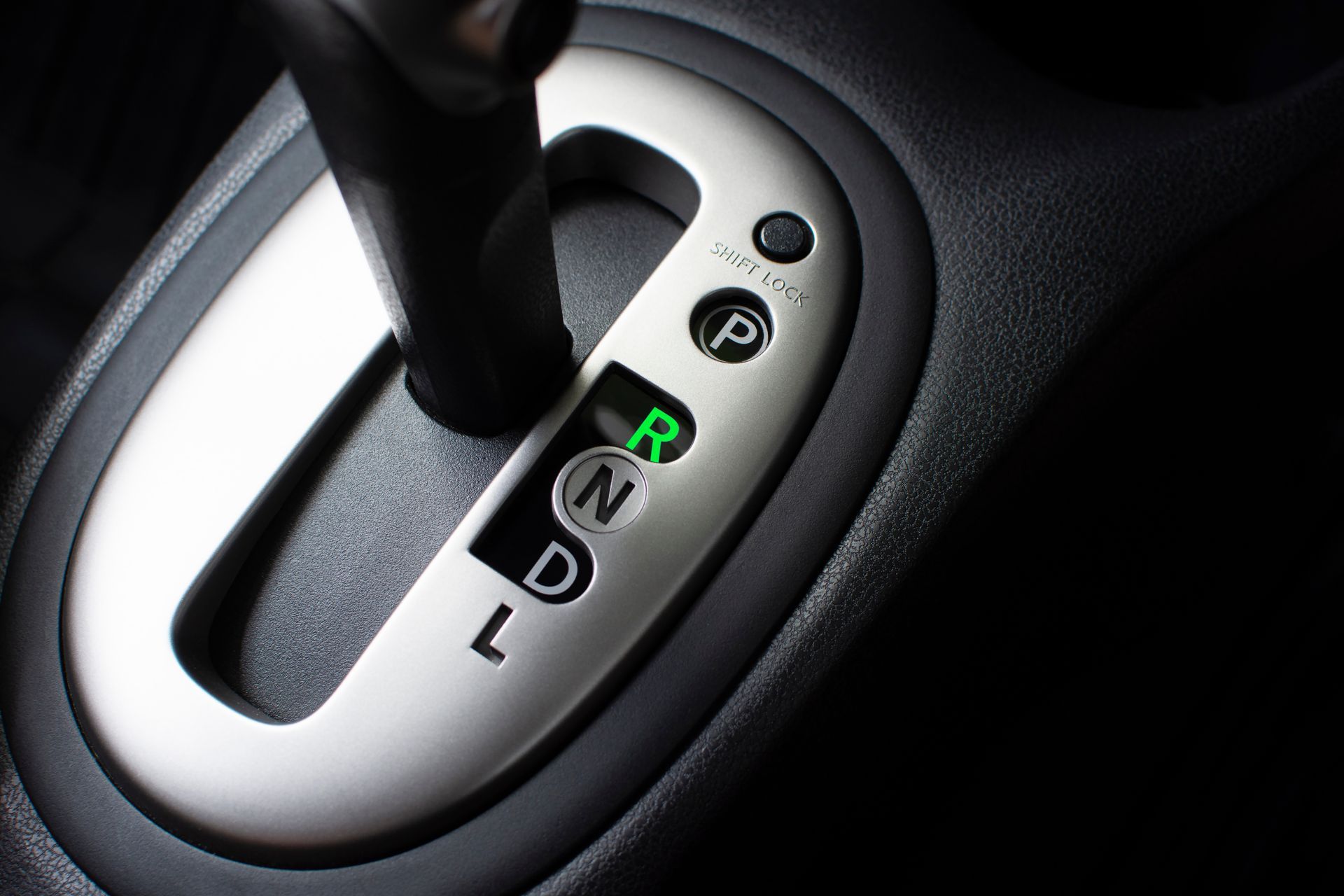
You might notice the rattle is worse when shifting from Reverse to Drive, or when you accelerate from a stop. In some cases, you’ll also feel a mild thump during gear changes. This is a good example of why regular maintenance checks are helpful: a worn mount can quietly cause multiple symptoms that seem unrelated.
Simple Checks You Can Do Before A Shop Visit
You don’t need to crawl under the car to gather useful clues. The goal is to capture a repeatable pattern that helps narrow where the sound is coming from. If the rattle is loud or sudden, avoid testing it aggressively and get it checked.
Here are a few safe things to note that help a technician track it down:
- Whether it happens only on cold starts or only once the car is warmed up
- Whether it happens only when accelerating, or also when revving in Park
- Whether it’s louder when turning, going uphill, or driving over bumps
- Whether you notice any new exhaust smell after parking
- Whether the sound changed after a pothole hit or road debris contact
If the rattle comes with a loss of power, a flashing warning light, or a strong exhaust smell in the cabin, move it up your list. Those signs can point to a leak or restriction that should not be ignored.
Get Exhaust Repair In Suwanee, GA, With Suwanee Service Station
Suwanee Service Station in Suwanee, GA, can pinpoint what’s causing the rattle, whether it’s a loose heat shield, a hanger issue, or a failing exhaust component that needs attention. We’ll confirm the source with a clear inspection and recommend the most sensible fix based on what we find.
Book a visit and get back to a quieter drive.